How the Idea of a Movement Studio Emerged

Siphra began from the observation that many people have limited opportunities to work with movement in a structured, non-competitive environment. Conventional fitness approaches often emphasize performance metrics, while movement education remained less accessible.

The studio was established to provide a space where people could develop movement awareness systematically, without pressure to achieve specific outcomes or compete with others.

The Body as an Integrated System

We approach the body as a complete system where different areas influence each other. A movement that begins in your feet affects your hips, spine, shoulders, and head.

Understanding these connections helps you recognize patterns and develop more coordinated movement strategies. This perspective shapes how we structure practice and guide exploration.
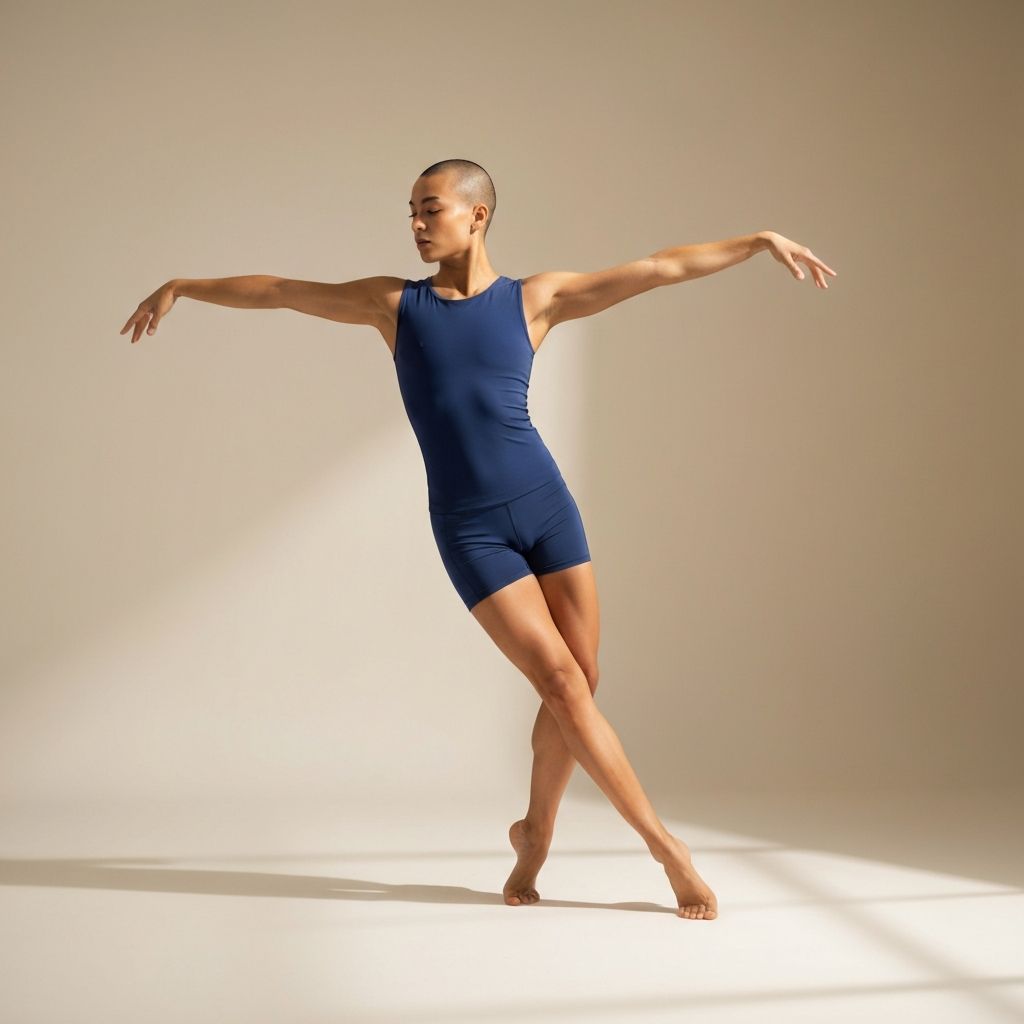
Integrated movement approach

Why Learn to Move Consciously

Conscious movement practice develops your ability to notice what you're doing, adjust your approach, and explore alternatives. This awareness extends beyond the studio.

When you understand how you organize yourself for a particular action, you have more options for adapting to different situations. This applies to reaching for objects, navigating stairs, carrying loads, or maintaining positions for extended periods.

The Role of Observation and Self-Monitoring

Observation is central to learning movement. By paying attention to how an action feels, where effort concentrates, and how your body positions itself, you gather information that guides refinement.

Self-monitoring develops gradually. Initially, you may notice only obvious sensations. Over time, you become sensitive to subtler details of coordination and effort distribution.

Principles of Gradual Progress and Regularity

Movement capacity develops through accumulated practice rather than intense bursts of activity. We structure sessions to support steady engagement without overwhelming your system.

Regular participation allows you to build on previous sessions, integrate new patterns, and deepen your understanding of movement principles.

Movement and Body Awareness Instructors

Our instructors have backgrounds in movement education, kinesiology, and somatic practices. They understand how to structure learning progressions and adapt guidance to individual needs.

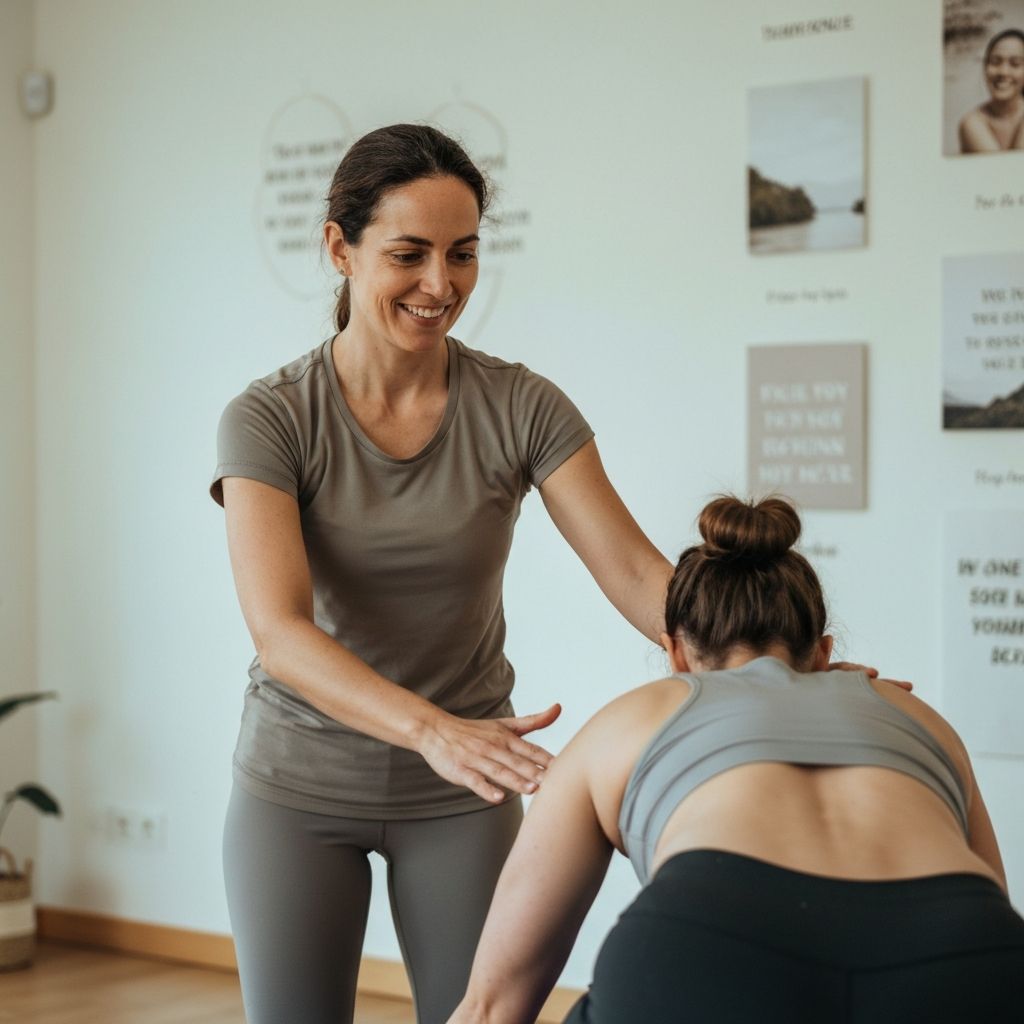
Their role is to observe your practice, provide information about principles, suggest variations, and create an environment where you can explore safely. They facilitate your learning process without imposing fixed methods.

Instructor providing guidance

Why We Don't Promise Outcomes

Movement learning is individual and depends on numerous factors including your starting point, consistency of practice, attention during sessions, and how you integrate principles into daily activity.

We provide structured opportunities to develop movement capacity. What you gain from this process reflects your engagement and circumstances. Promising specific outcomes would misrepresent the nature of learning.

How Long-Term Movement Practice Forms

Sustainable practice develops when movement becomes part of your routine rather than an isolated activity. This happens gradually as you find value in the process itself.

Some people appreciate the structure, others the physical engagement, and still others the mental focus required. Whatever draws you to continue, regular participation allows the practice to develop depth over time.

We support this by maintaining a consistent environment, providing progressive challenges, and respecting individual pace and preference.

Dive Deeper Into the Topic

For more information about how we structure sessions or questions about attending, please reach out.

See Examples in Context